
Kayak Accessories: What’s Worth It (and What’s Not!)
As discussed in our Inflatable Kayaks: The Complete Guide, there are a range of accessories available, from pumps and paddles through to safety gear and storage.
In practice though, two have a much bigger impact than the rest. Your pump determines how easy it is to get on the water in the first place and your paddle determines how the kayak feels once you’re there. Together, they shape a large part of the overall experience, from how often you paddle to how efficient and comfortable it feels over time. So we’ll focus on them here.
If you’ve already read the complete guide, feel free to skip ahead to our Kayak Pumps: What Actually Makes Setup Easy section. If not, read on.
Accessories
Often overlooked, inflatable kayak accessories can have a significant impact on enjoyment, ease of use, and overall paddling experience. Some are essential, while others simply add convenience.
Many brands include paddles and pumps with their kayaks, but these are often basic and built to keep costs down rather than deliver performance. In practice, this is one of the most common upgrade points we see. After a few outings, many paddlers realize that a poor-quality pump makes setup feel like a chore, and a flexible or heavy paddle wastes energy with every stroke.
Below we discuss a few of the most common accessories and why they’re worth considering.
Pumps
If a pump is slow, awkward, or tiring, it has a real impact on how often you go out. It’s easy to overlook, but in practice it’s the difference between a quick, effortless setup and something that feels like a chore.
Most pumps fall into four broad categories, and the real difference between them isn’t just technical, it’s how they feel to use.
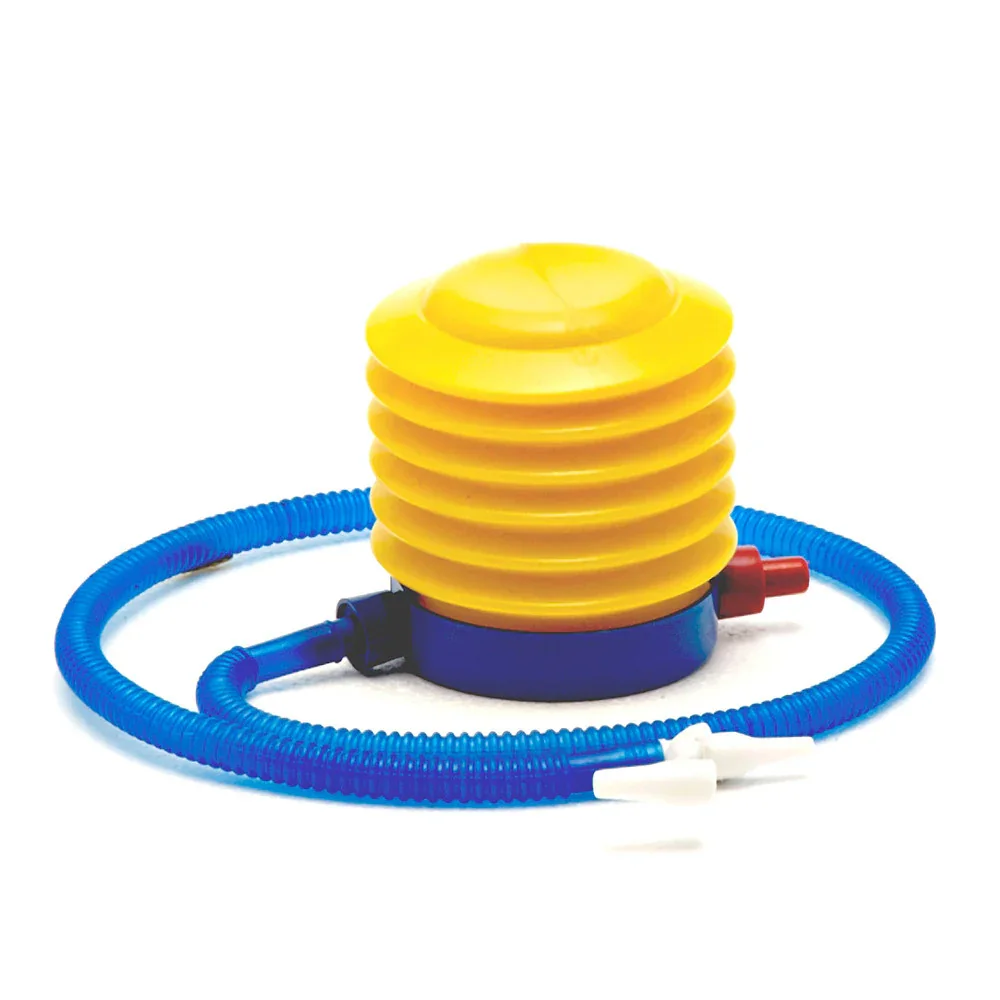
Poor Manual Pumps
These are the basic hand pumps and foot pumps often bundled with entry-level kayaks. They’ll get the job done, but they tend to move very little air with each stroke, so inflation feels slow and repetitive. Foot pumps in particular can be awkward to use and often struggle to reach higher pressures. They’re acceptable for occasional use with entry-level kayaks, but they can take two to three times longer than better-quality pumps. If you’re inflating regularly, the extra effort quickly becomes tedious, which is why they’re often the first thing people upgrade.
High-Volume Manual Pumps
A good high-volume pump feels completely different. Larger cylinders move more air with each stroke, so inflation is noticeably faster and more efficient. Many use double-action modes, inflating on both the up and down stroke. Others are marketed as ‘Triple-Action’ pumps that have the same functionality as double action pumps but also come with three gears for high volume, high pressure and then a gear in between. These High-volume manual pumps are still simple and reliable, but much less of a physical barrier to getting on the water.
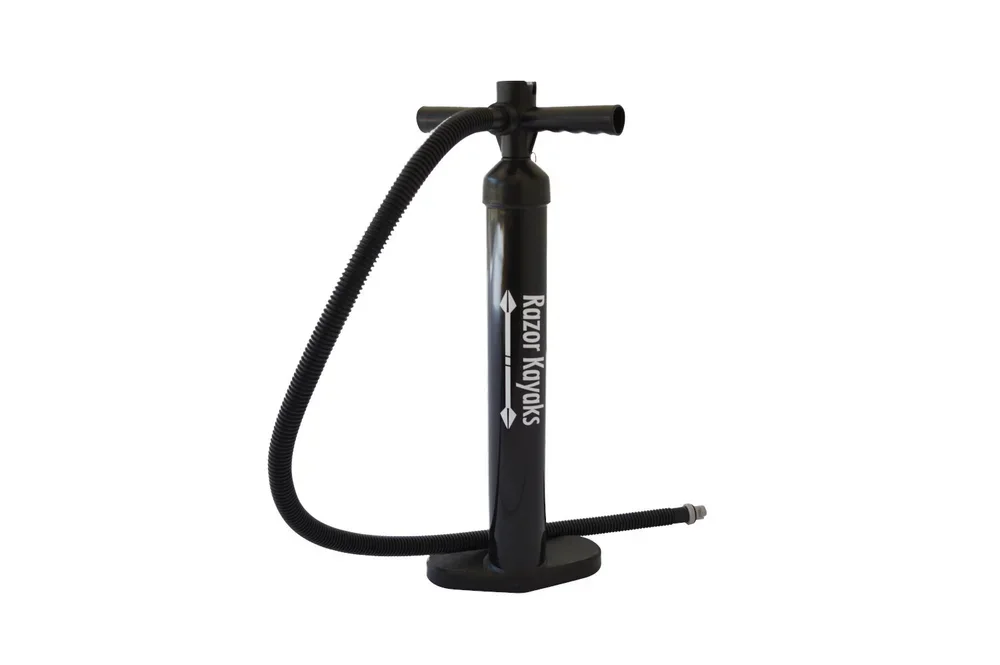
Double-Action Pump
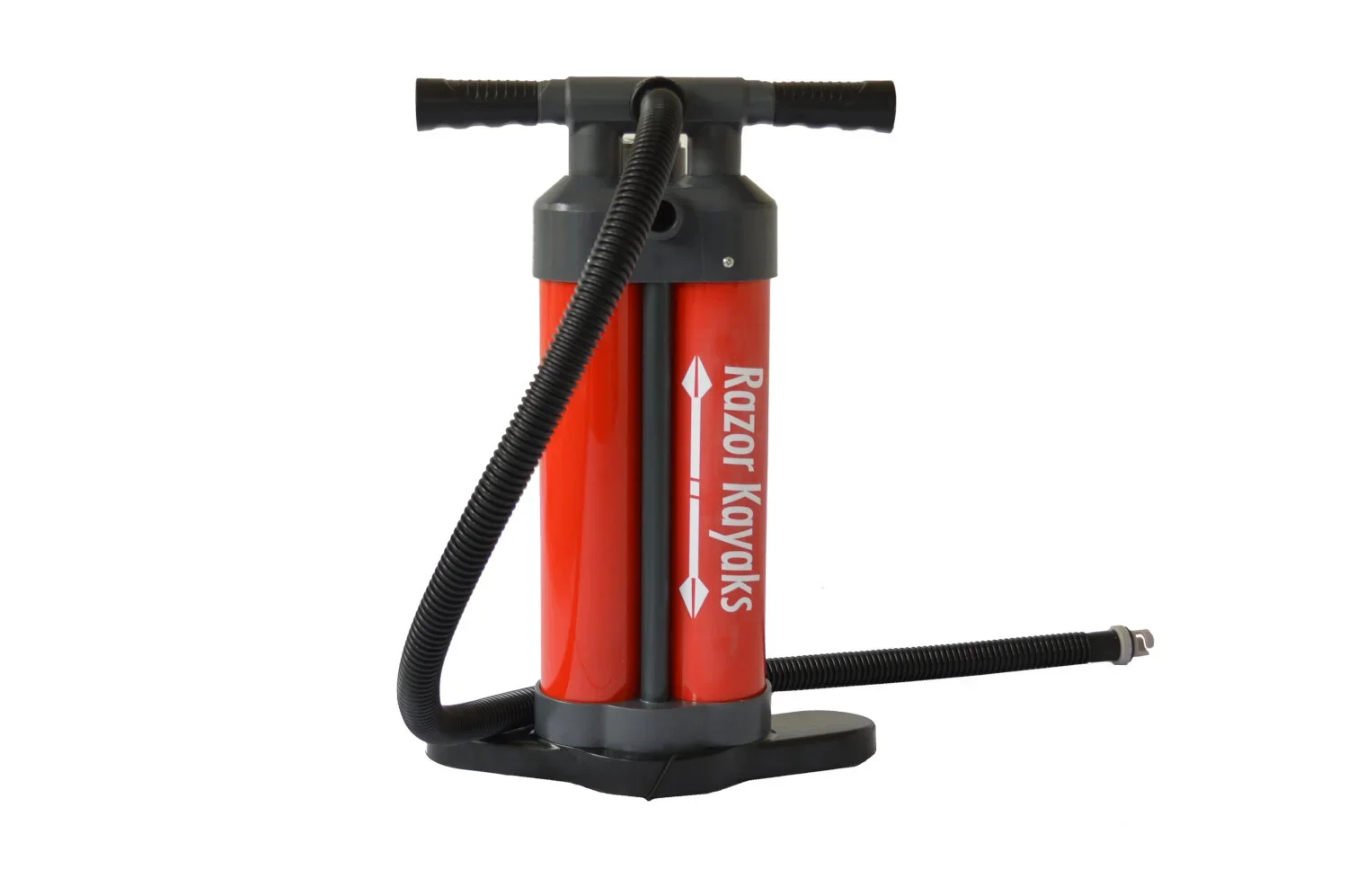
Triple-Action Pump
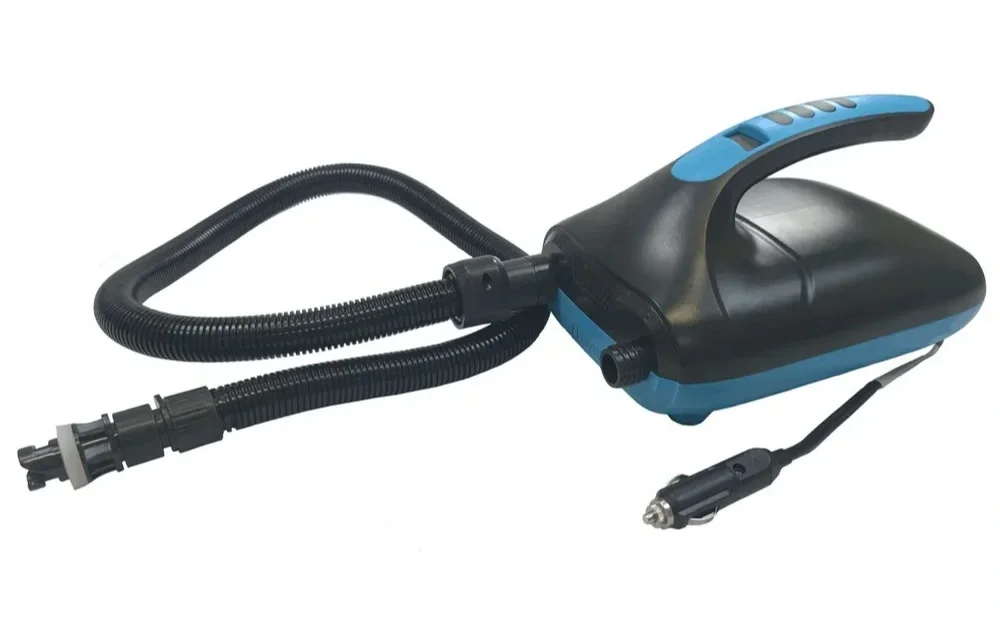
Electric 12V Pumps
These remove most of the effort entirely. You connect them to your car, set your target pressure, and let them run while you organise the rest of your gear. They’re particularly useful for larger or multi-chamber kayaks. The main limitation is needing a vehicle nearby, which doesn’t suit every launch.
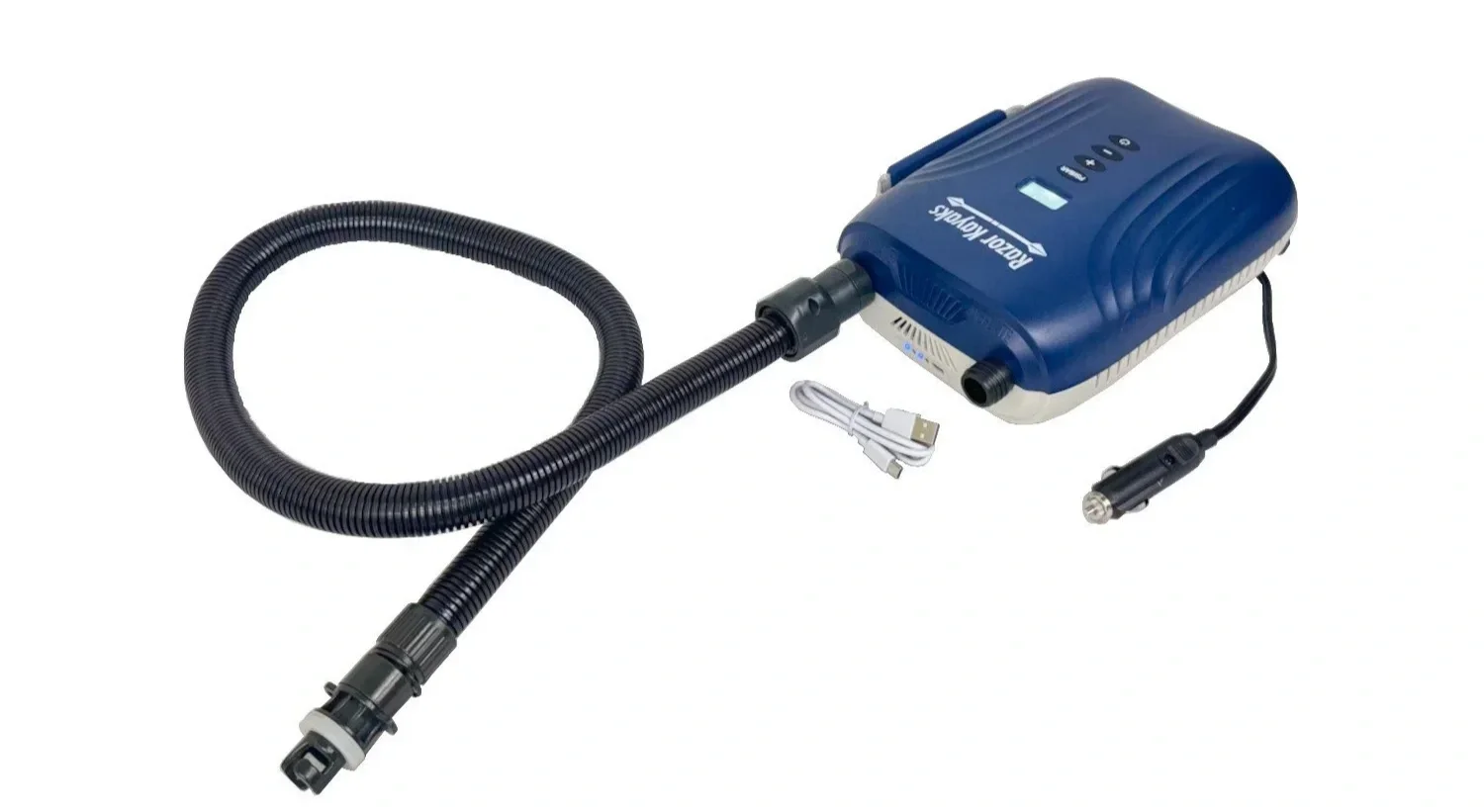
Rechargeable Electric Pumps
Rechargeable pumps offer the same convenience without being tied to a car. They’re compact, portable, and easy to carry with the rest of your kit, which makes a big difference if you’re walking to the water. They’ve come a long way in recent years and are now a very practical option if ease of use is your priority.
Read more on pumps here.
Paddles
The paddle is one of the most important accessories you’ll use with your kayak. In many ways, it’s your engine.
A well-designed paddle transfers your effort into forward movement efficiently. A poor paddle can waste energy through flex or unnecessary weight, which becomes particularly noticeable over longer paddles.
One of the key factors here is rigidity. When you apply force through a paddle stroke, a rigid shaft and blade transfers more of that energy directly into the water. If the paddle flexes too much, effort is lost, meaning you need to work harder to maintain the same speed.


Paddles are commonly made from three main materials.
Aluminum paddles: These are usually the most affordable option. They’re durable and suitable for casual paddling, although they tend to be heavier and can flex more under load as they typically have plastic blades. Good quality aluminum paddles are worth the investment over cheap ones as the aluminum and plastic are typically low grade and flimsy. You typically get what you pay for.
Fiberglass paddles: Fiberglass paddles offer a middle ground between weight, rigidity, and cost. They’re lighter and more efficient than aluminum paddles, making them a popular upgrade for paddlers who spend longer on the water.
Carbon fiber paddles: Carbon fiber paddles are the lightest and most rigid option. Because they transfer energy very efficiently and reduce fatigue, they’re often preferred by paddlers who plan to cover longer distances or paddle regularly.
For many people, upgrading the paddle is one of the simplest ways to improve the overall paddling experience. Read more on paddles here.

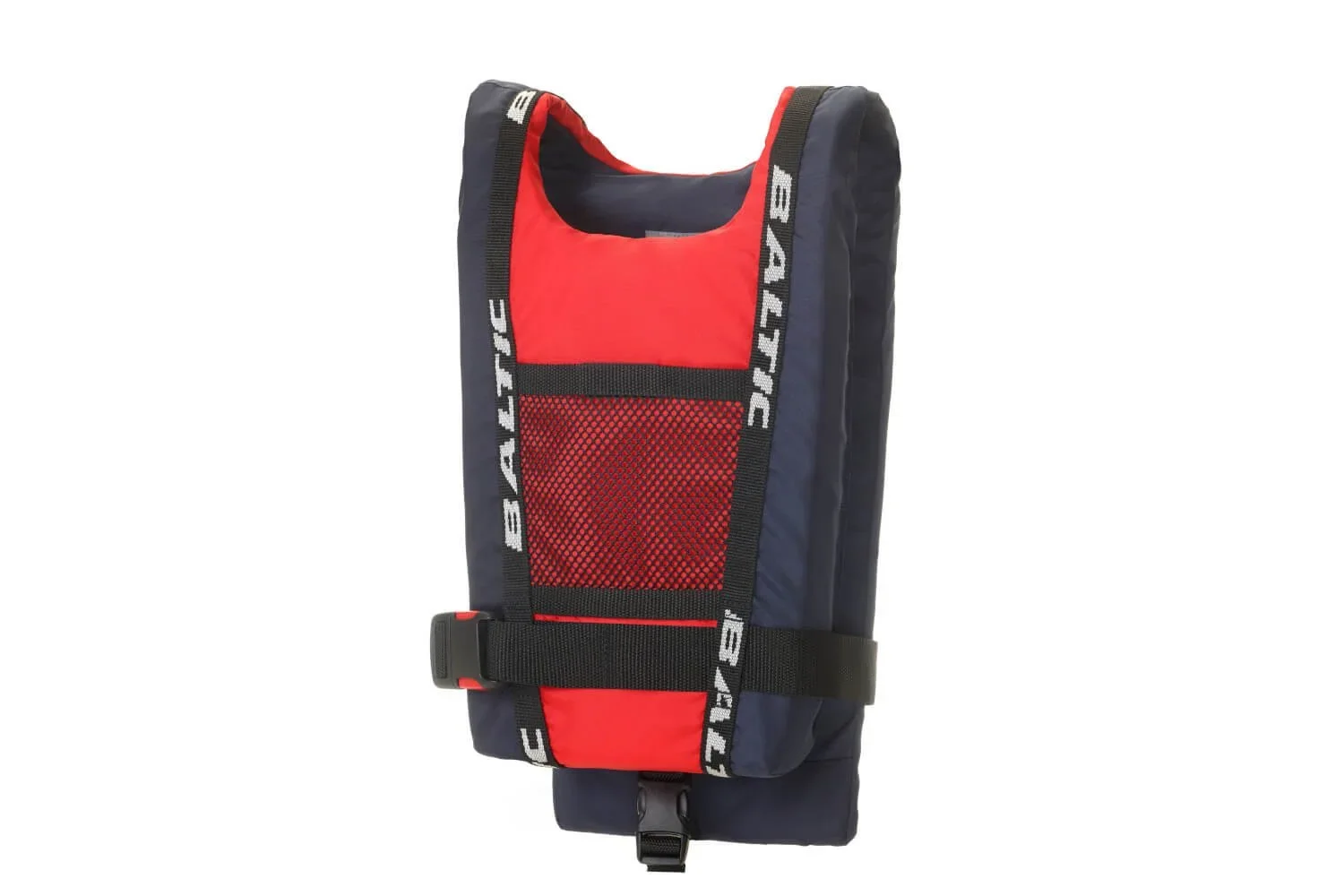
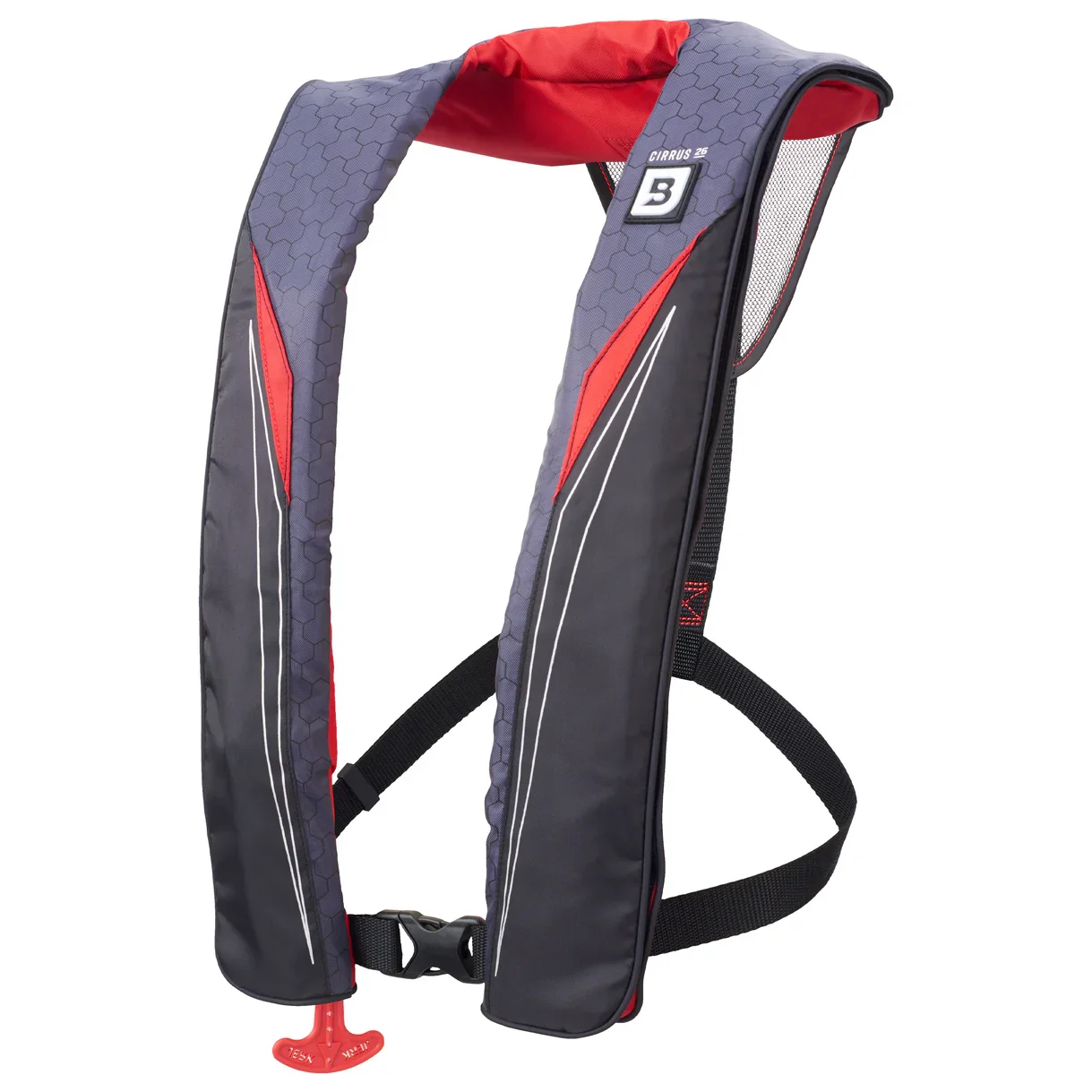
Personal Flotation Devices (PFDs)
A personal flotation device, or PFD, is one of the most important pieces of kayaking safety equipment. In the U.S., recreational vessels are generally required to carry a USCG-approved PFD for each person on board, and we strongly recommend wearing one at all times while paddling.
Water conditions can change quickly, so fit and comfort matter. Choose a PFD that sits securely without restricting your movement.
There are two common styles.
Traditional foam paddling PFDs are worn like a vest and provide constant buoyancy. Many include practical features such as pockets, attachment points, or safety whistles.
Inflatable PFDs are much more compact and only inflate when needed, either manually or automatically. They’re noticeably more comfortable to wear, especially over longer paddles, because they’re so low profile.
One thing to be aware of is that automatic versions can sometimes go off unexpectedly if they get hit with enough water or heavy splashes. It’s not common, but it does happen, and it can catch people off guard the first time.
Electric Motors
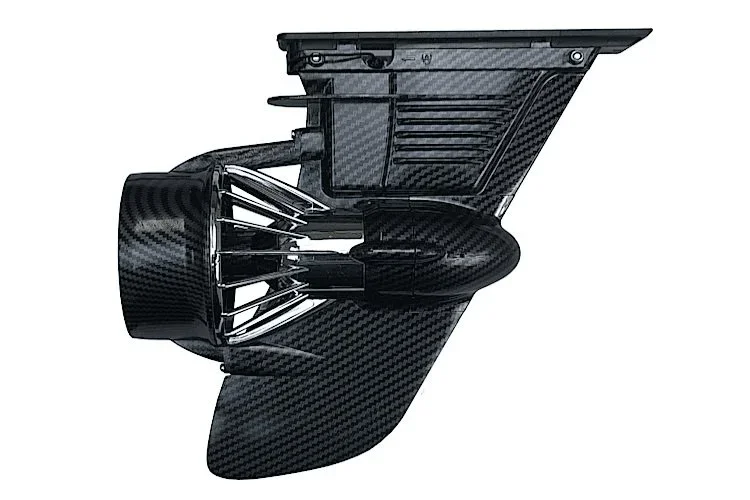
Some paddlers also choose to add electric motors to their kayaks.
These small propulsion systems can be mounted to certain kayak designs and provide assisted movement through the water. They’re not intended to replace paddling entirely, but they can be a great boost for when you’re tired over longer distances or when paddling against wind or current.
For paddlers covering longer distances or carrying heavier gear, a motor can be a useful way to extend how far and how comfortably you can explore.
Not every kayak is designed for motor use, so it’s worth checking compatibility before considering this option.
Fishing Gear
When you start fishing from an inflatable kayak, you quickly realise it’s less about piling in gear and more about how you use the kayak itself as a platform. The biggest upgrades are the ones that attach directly to the kayak and make everything feel more controlled and within reach. A simple rod holder is usually the first step, it frees up your hands and makes trolling possible, but from there people often add things like gear tracks or mounting bases so they can position accessories exactly where they want them. Anchor systems are handy. A basic anchor with a trolley lets you control your angle to the wind or current, which makes a huge difference when you’re trying to hold a spot or fish structure. The same goes for fish finder mounts and battery setups, they turn a guess into something far more deliberate.
Comfort and organisation matter just as much over a longer session. A raised fishing seat can change how long you’re happy to stay on the water, and once you start adding deck bags, tankwell storage or clip-on side bags, everything has its place instead of rolling around your feet. On inflatables especially, you tend to rely on strap-on or adhesive-mounted accessories like D-rings, paddle holders and leashes to keep things secure without compromising the kayak. None of it is essential on day one, but each addition solves a small frustration, and over time those small improvements add up to a setup that feels purpose-built for fishing rather than just a kayak you happen to fish from.
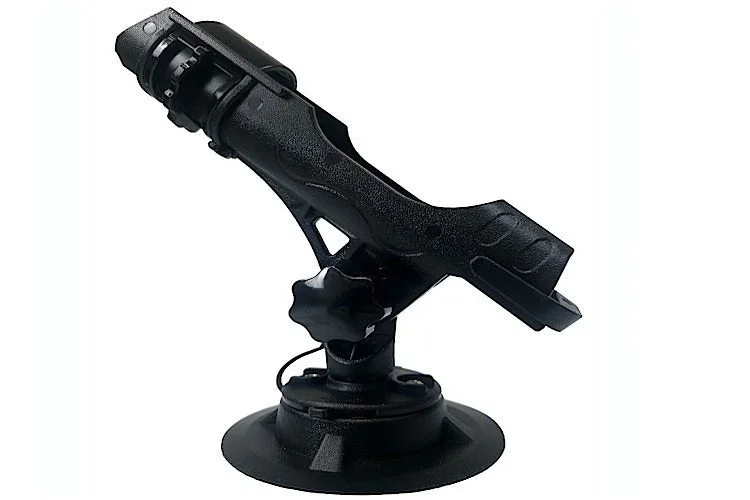
Fishing Rod Holder
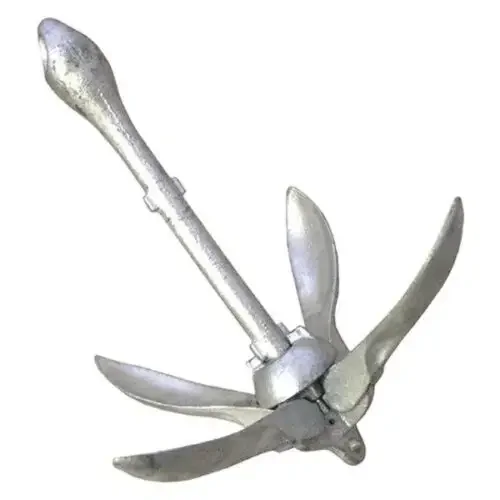
Kayak Anchor
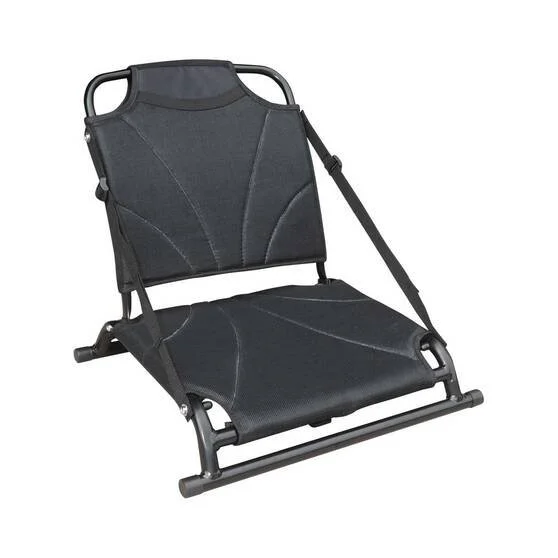
Kayak Fishing Seat
Dry Bags
Dry bags are a simple accessory that can make a big difference when it comes to protecting your gear.
As the name suggests, dry bags are designed to keep items protected from water. They’re commonly used for clothing, phones, food, or other items you want to keep dry while paddling. They’re particularly useful for touring or adventure paddling where you may be carrying spare layers, lunch, or overnight equipment. Even on shorter paddles, a small dry bag can be useful for keeping essentials safe and organised.

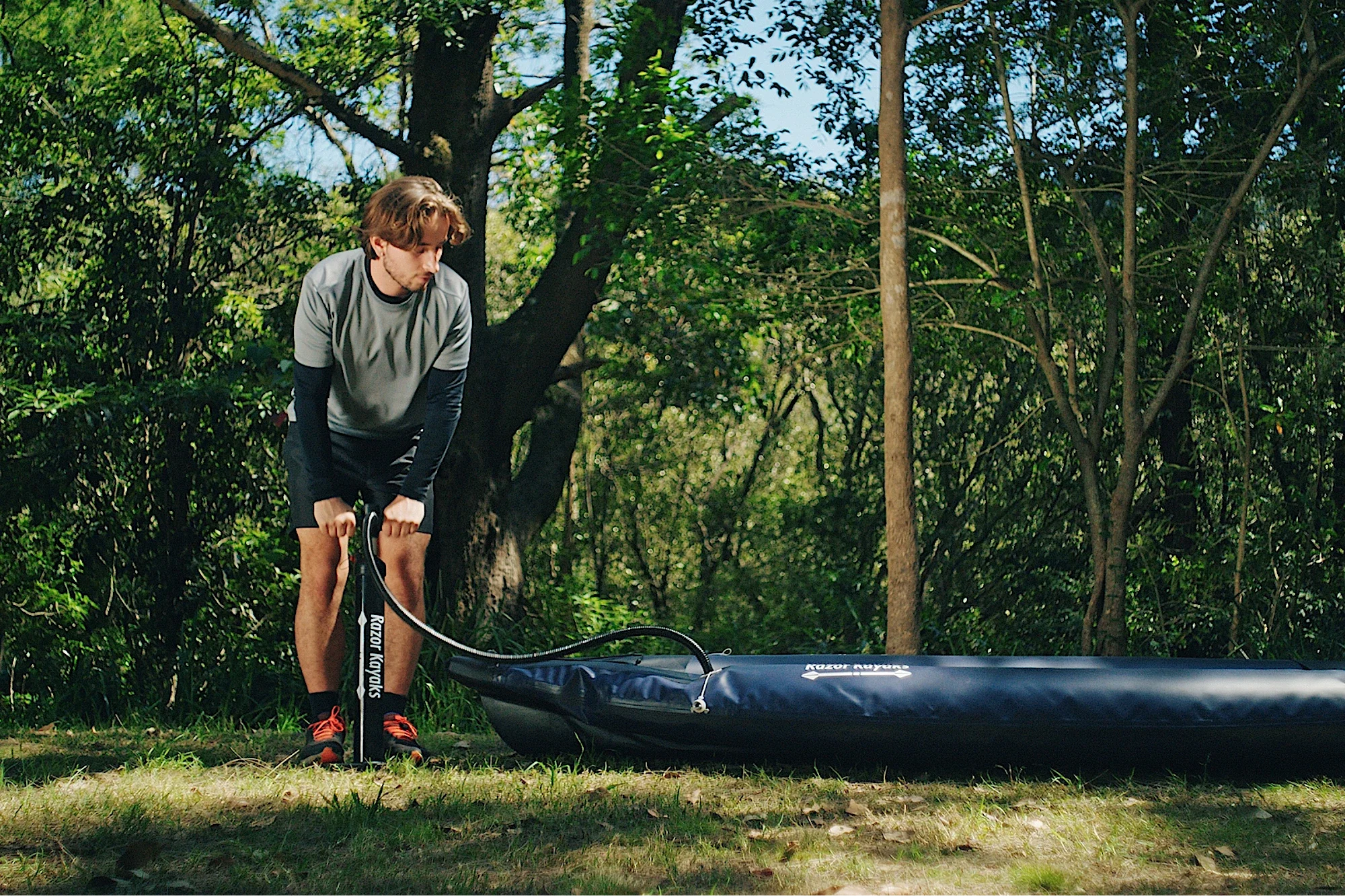
Kayak Pumps: What Actually Makes Setup Easy
The key concept that separates a pump that feels effortless from one that feels like a chore is flow rate, how much air the pump can move per stroke or per minute.
Pumps with low flow rates move small volumes of air, which means more cycles to reach the same pressure. That’s what creates the sense of effort. It’s not just slower, it feels repetitive.
High-volume pumps increase flow rate by using larger cylinders. Each stroke moves more air, so the kayak fills much faster during the early stages of inflation. Double-action designs go further by inflating on both the up and down stroke, effectively increasing output per cycle.
As pressure builds, resistance increases. This is where pump design becomes more important. Better pumps allow you to switch into a high-pressure mode, reducing resistance so you can reach full PSI without excessive strain.
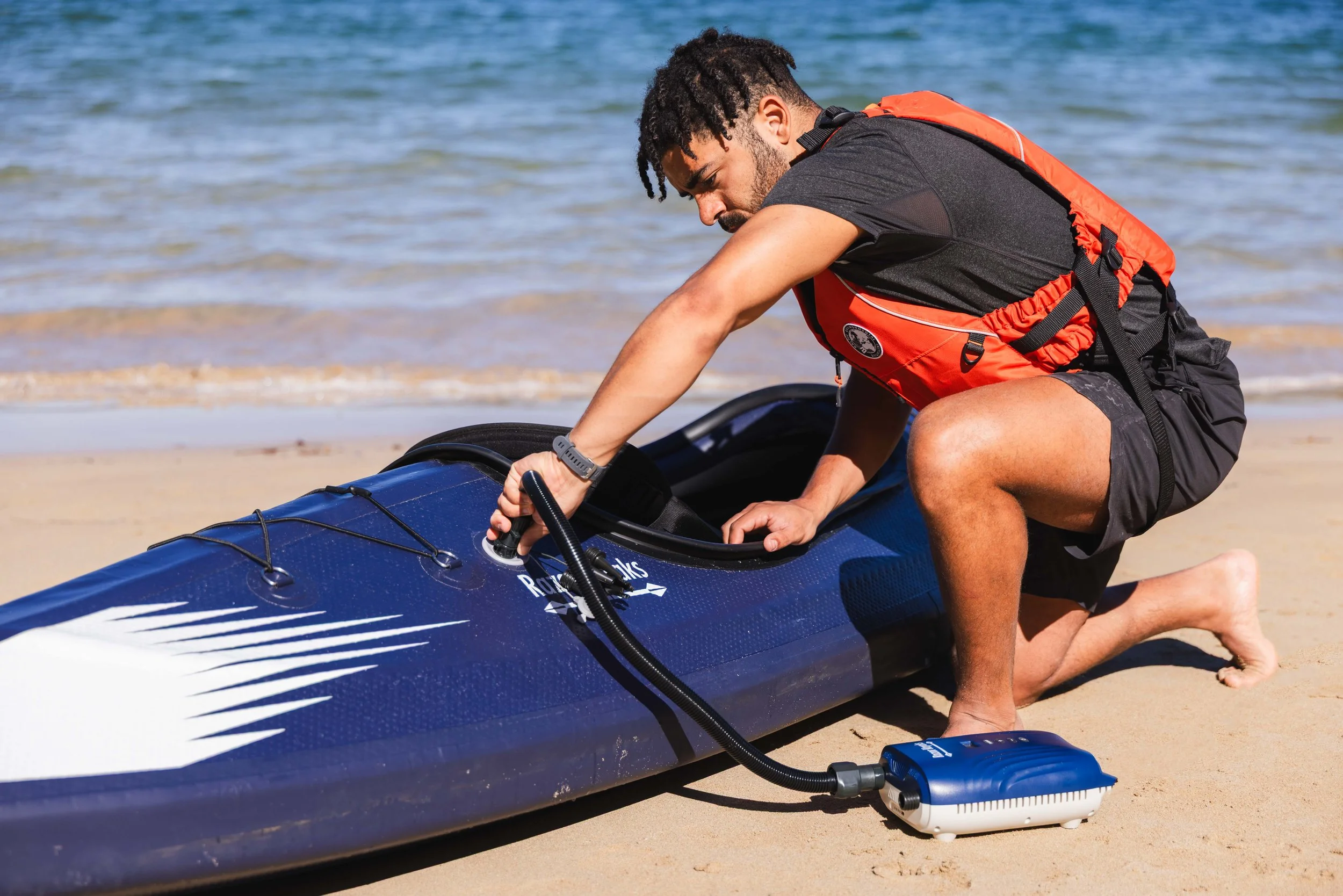
Electric pumps approach this differently. Instead of balancing airflow and effort, they maintain consistent output and automatically adjust as pressure increases. Built-in pressure sensors stop inflation at a set PSI, removing guesswork and making the process more repeatable.
System efficiency also plays a role. Multiple chambers, valve compatibility, and hose fittings all affect how smooth the process feels. Even small interruptions, like changing adapters or inflating chambers in an awkward sequence, can make setup feel more tedious than it should. Therefore, you should look for kayaks that use three or less inflation points, that all use the same valve type.
In practice, all of these factors feed into one outcome: perceived effort. A pump with higher flow rate, efficient pressure handling, and minimal interruptions will feel significantly easier to use, even if total setup time is similar and makes a big difference to your overall experience.
That difference becomes more noticeable over time. It’s not the first setup that matters, it’s the tenth or twentieth, when small inefficiencies start to compound.
Pumps don’t change how a kayak performs on the water, but they do shape how easy it feels to get there and that impact shouldn’t be underestimated. A good pump is really important and less of a mental barrier to getting on the water.
Kayak Paddles: What Actually Makes a Difference
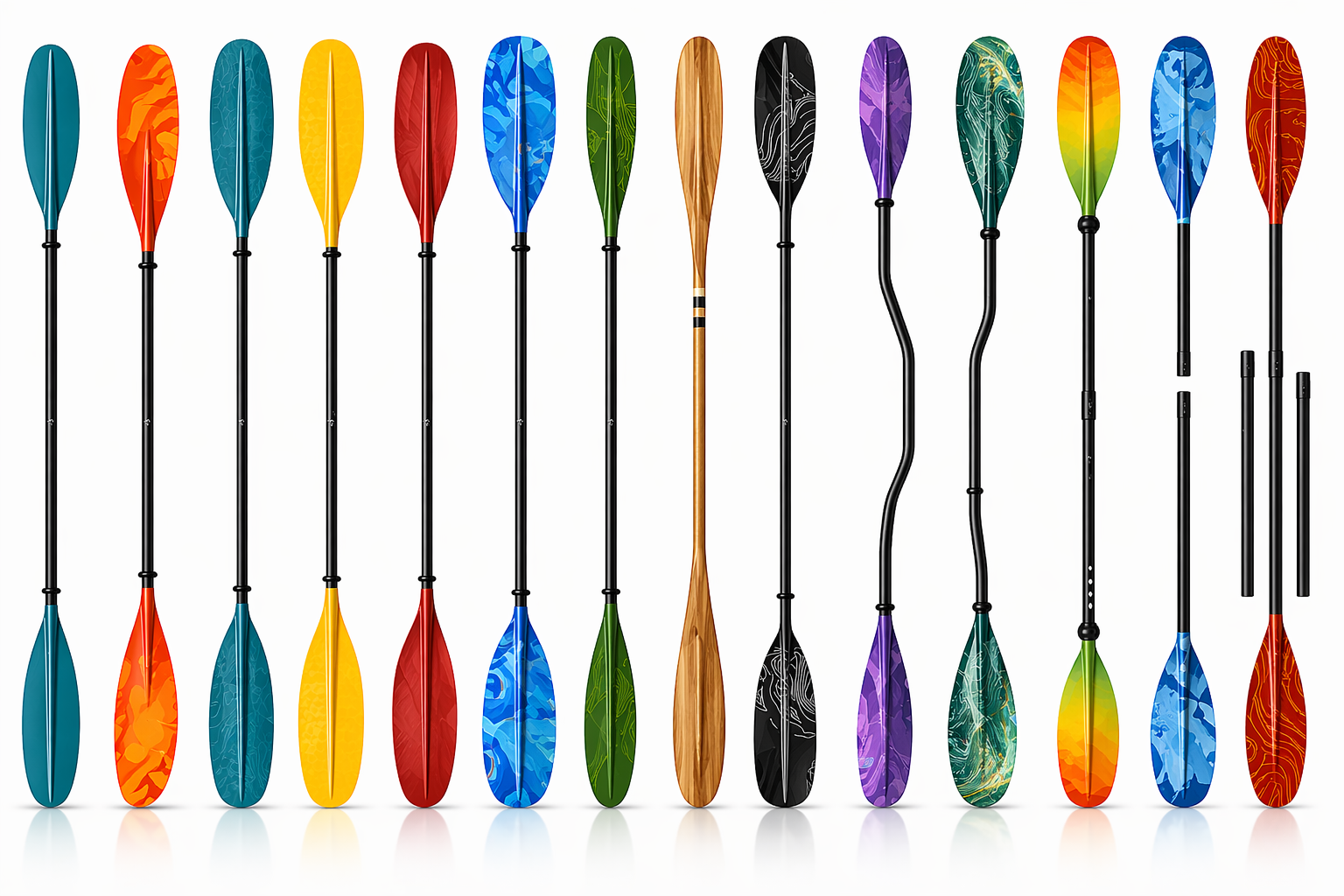
The paddle has more impact on your experience than most people expect. Materials matter, but the shape and setup of the paddle also make a difference in how it actually feels on the water.
One of the key factors is paddling style, usually described as high-angle and low-angle paddling.
High-angle paddling is more aggressive, with a more vertical stroke. It’s typically used when sprinting, making tighter turns, or paddling in more dynamic conditions like surf or moving water. Paddles designed for this style tend to have shorter, wider blades that deliver more power per stroke, but they can become tiring over time.
Low-angle paddling is more relaxed, with a longer, sweeping stroke. It’s generally better suited to covering distance and staying comfortable over longer sessions. These paddles usually have longer, narrower blades that move more smoothly through the water with less effort.
Many paddles also feature a slight ridge down the center of the blade, known as a dihedral. This helps stabilise the paddle in the water, reducing flutter and making each stroke feel smoother and more controlled. Conversey, flatter blades can feel more direct and powerful, but they rely more on good technique to stay stable.
Differences in shaft design are more about comfort than performance. Straight shafts are simple and versatile, while bent shafts reduce wrist strain and tend to feel more natural over longer paddles.
One or two-piece paddles work well, but for inflatable kayaks, a four-piece paddle makes a noticeable difference. It packs down much smaller, which is important when portability is part of the appeal. Some paddles also allow feathering, where the blades are offset to improve ergonomics, although this is more relevant for high-angle paddling.
Length is also important. Wider kayaks require longer paddles to comfortably reach the water, which is particularly relevant for inflatables. As most inflatable kayaks are a similar width, a paddle around 87 to 91 inches will suit most paddlers.
In practice, these differences become much more noticeable over time. A paddle that feels fine for a few minutes can start to feel inefficient or tiring after an hour.
From our experience, a lightweight four-piece paddle, around 2.5 lb or less, with longer, narrower dihedral blades strikes a good balance. It’s efficient, comfortable over distance, and well suited to the way most people actually paddle inflatable kayaks.
In Summary
After spending a lot of time on the water, you start to realise that most accessories don’t matter as much as you think, but a few make a huge difference.
A good pump is the difference between getting on the water quickly and standing there wondering why it feels like hard work before you’ve even started. A good paddle changes how the kayak actually feels to use, how smoothly it moves, how much effort each stroke takes, and how tired you feel an hour in. And a properly fitted PFD is essential, providing a critical layer of safety regardless of conditions or experience level.
Beyond these core items, most accessories are situational. Equipment like trolleys, paddle leashes, or hiking backpacks can be useful in specific scenarios, but they’re not necessary for most paddlers and are best added once you understand your own needs.
In the end, kayaking is less about how much gear you have and more about having the right setup. When the fundamentals are dialled in, everything else becomes simpler, more efficient, and far more enjoyable.
Looking for more info
Check out our article Inflatable Kayaks: The Complete Guide for a comprehensive overview of inflatable kayaks, how they are made and what makes one inflatable kayak different to another. Alternatively, if you want to find the right tandem kayak for you, check out our guide 2 Person Inflatable Kayaks.
Our global customer service team are knowledgeable and always happy to help. If you have any further questions please feel free to call or emails us. Details can be found on our contact page.
We’ve also designed this online guide to help make the process easier, and match you with the inflatable kayak we believe best fits your needs.